Glass balls are widely used in valve, dispensing, flow-control and decorative applications requiring smooth surfaces, corrosion resistance and stable non-metallic performance.
Common glass ball materials include soda lime glass, borosilicate glass and crystal glass, selected according to chemical resistance, thermal performance, transparency and application requirements.
 To Share:


Glass balls are commonly used in valve balls, dispensing balls, flow-control balls and decorative ball applications.
Glass balls are manufactured from different glass materials including soda lime glass, borosilicate glass and crystal glass.
Compared with metallic balls, glass balls provide smoother surfaces, corrosion resistance, electrical insulation and stable chemical performance, making them suitable for valve balls, dispensing systems, decorative products and specialized industrial applications.
Soda lime glass balls are commonly used for economical general-purpose applications. Borosilicate glass balls are more suitable for chemical and thermal-resistant applications, while crystal glass balls are mainly used for decorative and display applications requiring transparency and visual appearance.
Glass balls provide excellent smoothness, chemical stability and corrosion resistance, but they are more brittle than metallic balls and should not be used in high-impact or high-load rolling applications.

| Item | Specification |
| Material | Glass |
| Typical Materials | Soda Lime Glass / Borosilicate Glass / Crystal Glass |
| Structure | Solid glass ball |
| Size Range | 1 mm – 35 mm (High Precision Balls: 1–16 mm; Gaming Balls: 10–35 mm) |
| Grade | Depending on ball application requirements |
| Density | Material dependent |
| Surface Finish | Smooth glass surface |
| Chemical Resistance | Good to excellent depending on glass type |
| Thermal Resistance | Material dependent |
| Magnetic Properties | Non-magnetic |
| Electrical Conductivity | Electrically insulating |
| Transparency | Transparent or translucent depending on glass type |
| Design Note | More brittle than metallic balls; not suitable for high-impact applications |
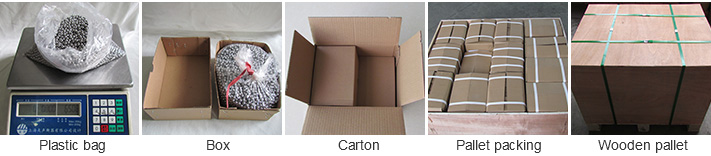
| Packing | Carton / Plastic bag / Custom |
| Condition | Clean and dry |
| Delivery Time | Stock available for standard sizes or production based |
| Glass Ball Type | Main Features | Typical Ball Applications |
| Soda Lime Glass Balls | Economical and smooth surface performance | Dispensing balls, decorative balls and general industrial applications |
| Borosilicate Glass Balls | Better chemical and thermal resistance | Valve balls, chemical applications and laboratory systems |
| Crystal Glass Balls | High transparency and decorative appearance | Decorative balls, display balls and craft applications |


Tel: 0086-519-81181030*606
Fax: 0086-519-81181083
Address: No.202,Yangjia tou, Nanzhai, Xueyan town, Wujin, Changzhou, China 213178, Changzhou, Jiangsu
Contact: Nicky Yang
Mobile: +86-15995017229
Email: nicky@stw-industrial.com
 TO SHARE:


 +86-15995017229