PTFE balls provide excellent chemical resistance, very low friction and non-stick surface performance. They are suitable for valves, pumps and sealing applications where metal balls may corrode or react with the working media.
 To Share:


PTFE balls are commonly used as valve, pump and sealing balls in chemical flow-control systems.
PTFE balls are manufactured from polytetrafluoroethylene materials, commonly known in the industry as PTFE or Teflon® materials.
They are lightweight, non-metallic and highly resistant to many corrosive chemicals.
Compared with metal balls, PTFE balls provide better chemical compatibility, lower friction and non-stick performance, making them suitable for check valves, dosing pumps, sealing components and flow-control applications.
Due to their relatively low mechanical strength, PTFE balls are generally not used for high-load bearing or high-wear mechanical applications.

| Item | Specification |
| Material | PTFE |
| Typical Materials | Virgin PTFE / Filled PTFE |
| Structure | Fluoropolymer material |
| Size Range | 1 mm – 350 mm |
| Grade | Depending on application requirements |
| Density | Approx. 2.15 g/cm³ |
| Chemical Resistance | Excellent |
| Friction Performance | Very low friction |
| Temperature Resistance | Good |
| Magnetic Properties | Non-magnetic |
| Surface Property | Non-stick |
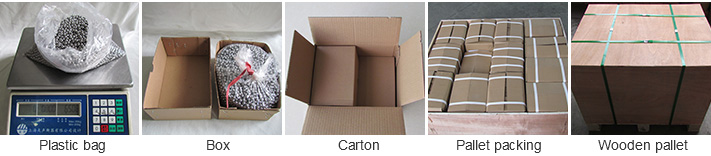
| Packing | Carton / Plastic bag / Custom |
| Condition | Clean and dry |
| Delivery Time | Stock available for standard sizes or production based |
| Material | Main Features | Typical Applications |
| PTFE | Excellent chemical resistance and low friction | Valve balls, sealing balls and chemical flow-control applications |
"Teflon" is a registered trademark of Chemours. PTFE is the generic material name used in industrial applications.


Tel: 0086-519-81181030*606
Fax: 0086-519-81181083
Address: No.202,Yangjia tou, Nanzhai, Xueyan town, Wujin, Changzhou, China 213178, Changzhou, Jiangsu
Contact: Nicky Yang
Mobile: +86-15995017229
Email: nicky@stw-industrial.com
 TO SHARE:


 +86-15995017229