Typical materials include 1050, 1060, 1070 and 1100 aluminum grades with lightweight properties, excellent corrosion resistance and good electrical conductivity.
Aluminum balls are manufactured from pure aluminum materials and provide lightweight performance, excellent corrosion resistance and non-magnetic properties for industrial, decorative and specialized applications.
 To Share:


Aluminum balls are widely used in applications requiring lightweight materials, corrosion resistance and decorative appearance.
Aluminum balls are manufactured from pure aluminum materials such as 1050, 1060, 1070 and 1100.
Compared with steel balls, aluminum balls offer significantly lower weight, excellent corrosion resistance and good electrical conductivity, making them suitable for decorative, electrical and lightweight industrial applications.

| Item | Specification |
| Material | Pure Aluminum |
| Typical Materials | 1050 / 1060 / 1070 / 1100 and customized aluminum materials |
| Heat Treatment | Non-hardened |
| Size Range | 1 mm – 50 mm |
| Grade | G2000 |
| Density | Approx. 2.70 g/cm³ |
| Standard | ISO 3290 |
| Corrosion Resistance | Excellent |
| Electrical Conductivity | Excellent |
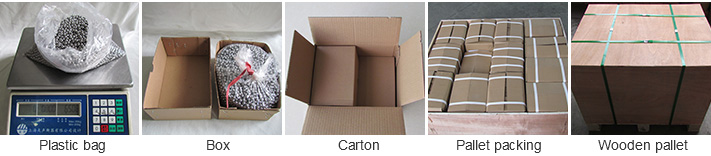
| Packing | Carton / Plastic bag / Custom |
| Condition | Clean and dry |
| Delivery Time | Stock available for standard sizes or 30–35 days for production |
| Material Type | Al (%) | Fe (%) | Si (%) | Cu (%) |
| Typical Pure Aluminum | ≥99.0 | ≤0.40 | ≤0.25 | ≤0.05 |
Typical chemical composition range for industrial pure aluminum materials. Actual material may vary depending on aluminum grade and application requirements.

Decorative Products

Electrical Components

Lightweight Assemblies

Non-Sparking Equipment


Tel: 0086-519-81181030*606
Fax: 0086-519-81181083
Address: No.202,Yangjia tou, Nanzhai, Xueyan town, Wujin, Changzhou, China 213178, Changzhou, Jiangsu
Contact: Nicky Yang
Mobile: +86-15995017229
Email: nicky@stw-industrial.com
 TO SHARE:


 +86-15995017229